
Tools to Help Conserve Your Energy
Assistive tech is essential when you’re dealing with Long Covid.
Choosing the right tools - and rotating them as needed - can mean you can do more, prevent symptoms escalating, and support your rehabilitation.
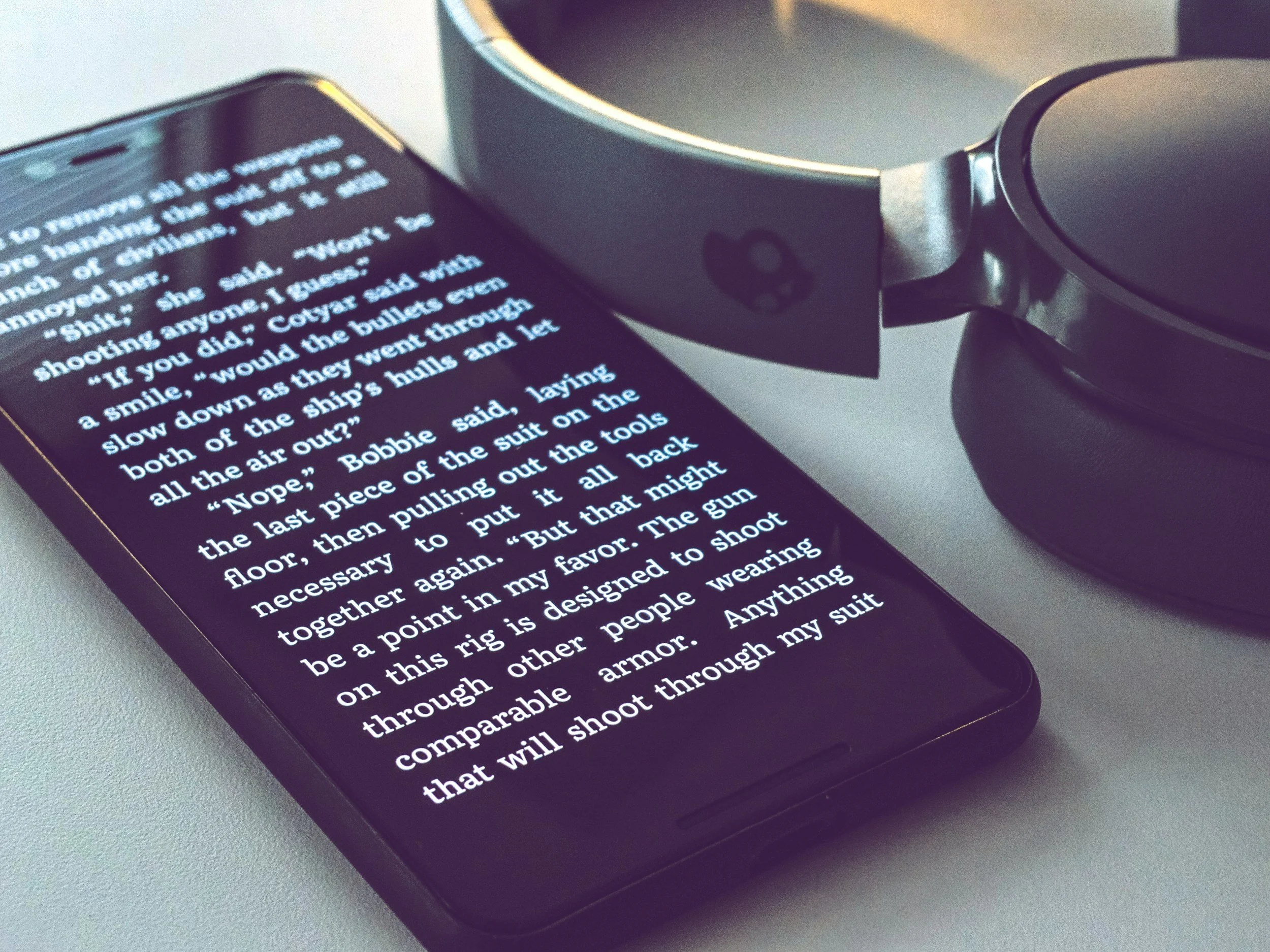
Ergonomic Support
Ergonomic supports are not luxuries—they are part of your clinical care.
Seat cushions, wedge pillows, and lumbar rolls reduce joint strain, support spinal alignment, and help offload pressure points during prolonged sitting.
This is applicable when going out to a restaurant as well.
Reclining chairs, zero-gravity loungers, and adjustable bed risers support graded upright tolerance, allowing patients to find semi-reclined positions during flares or rehabilitation.
Footrests, lap desks, and over-bed tables facilitate functional use of a laptop, tablet, or paperwork in recline or bed-based positions—critical for maintaining work or school engagement during flares.


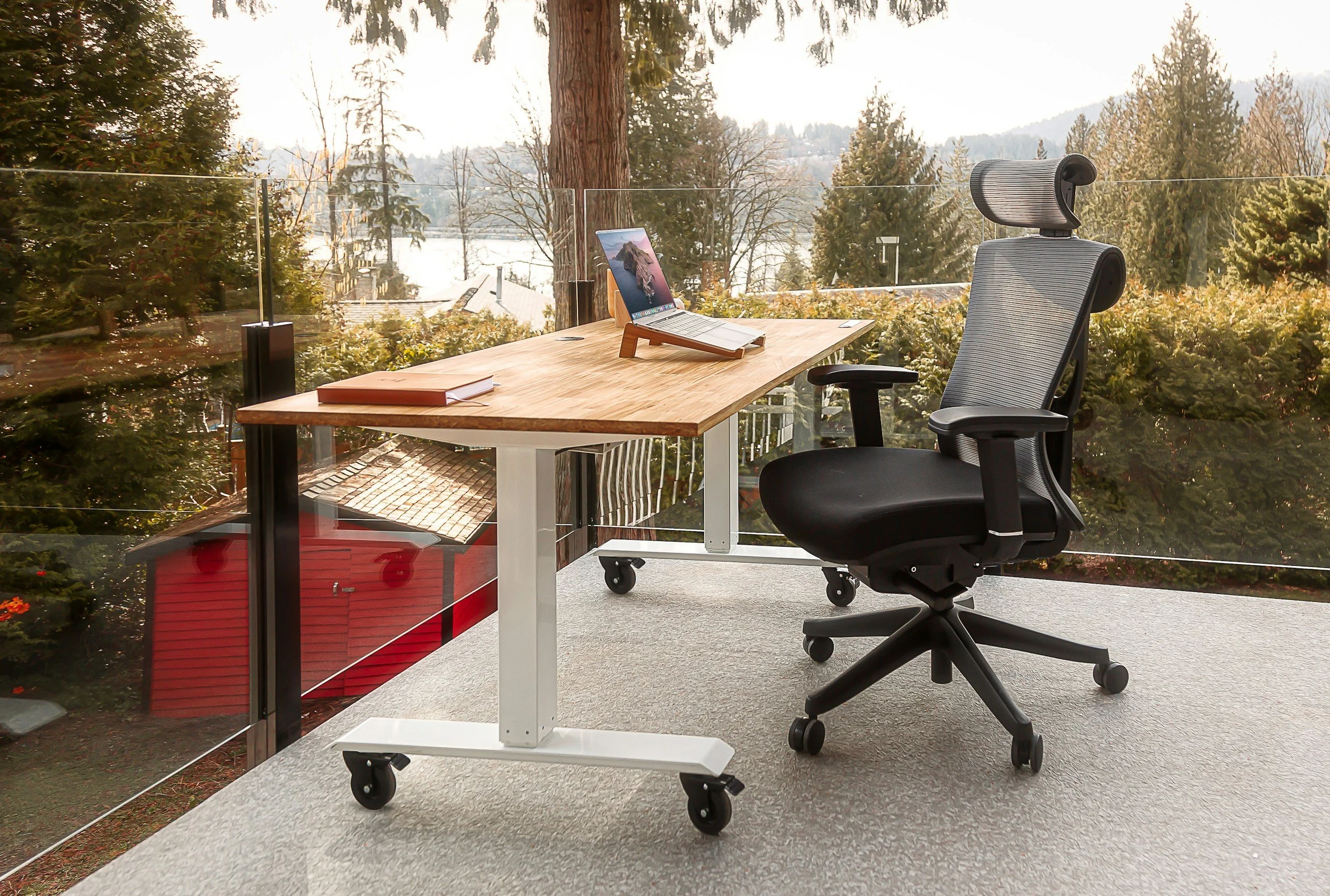
Ergonomic Support for Work
Adjustable sit-stand desks allow for gradual upright exposure without forcing prolonged seated or standing time.
A chair with dynamic recline options can help those who fatigue easily in standard upright postures.
An adjustable height desk, pulled up to something like a wing back chair may aid in head support and comfort. Gamer’s chairs are often a very ergonomic and supportive desk chair option.
Monitor risers, keyboard trays, and split keyboards promote neutral neck and wrist alignment.
Anti-fatigue mats and foot pedals can assist with postural shifts and blood pooling management for those with POTS or orthostatic intolerance.
Lighting control (e.g., adjustable lamps or blue-light filtering glasses) and sound dampening options can reduce sensory overload, which commonly worsens fatigue and brain fog.
Multiple Work Setups
Many people with Long COVID benefit from multi-location work setups.
This might include:
A formal seated workstation with ergonomic adaptations for focused work
A reclined setup for use during flares (e.g., working from a zero-gravity chair with a laptop tray)
The option to lie fully flat and work from a mobile device or voice dictation if symptoms escalate
Build in movement breaks, visual rest, and position changes throughout the day.
Sound & Sensory Tech
Sound machines and white noise apps can help manage tinnitus or reduce overstimulation in environments with unpredictable noise.
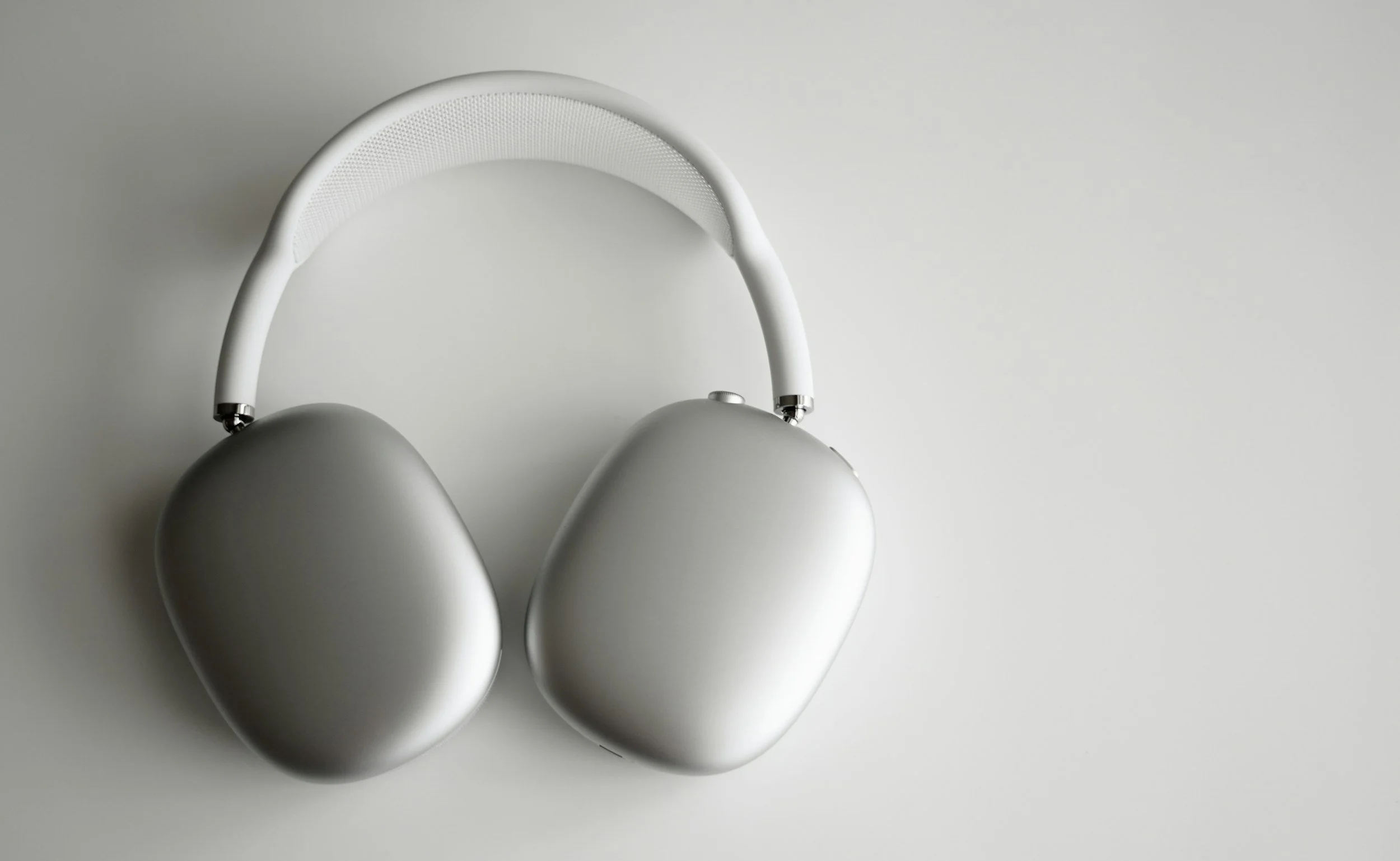
Noise-canceling headphones or earplugs may assist individuals with sound sensitivity, common in those with neuroinflammatory or dysautonomia-related sensory processing changes. Brand examples of this include Loop Earplugs.
Dimming filters, blue light glasses, or visual breaks can help reduce visual overload and support cognitive endurance.
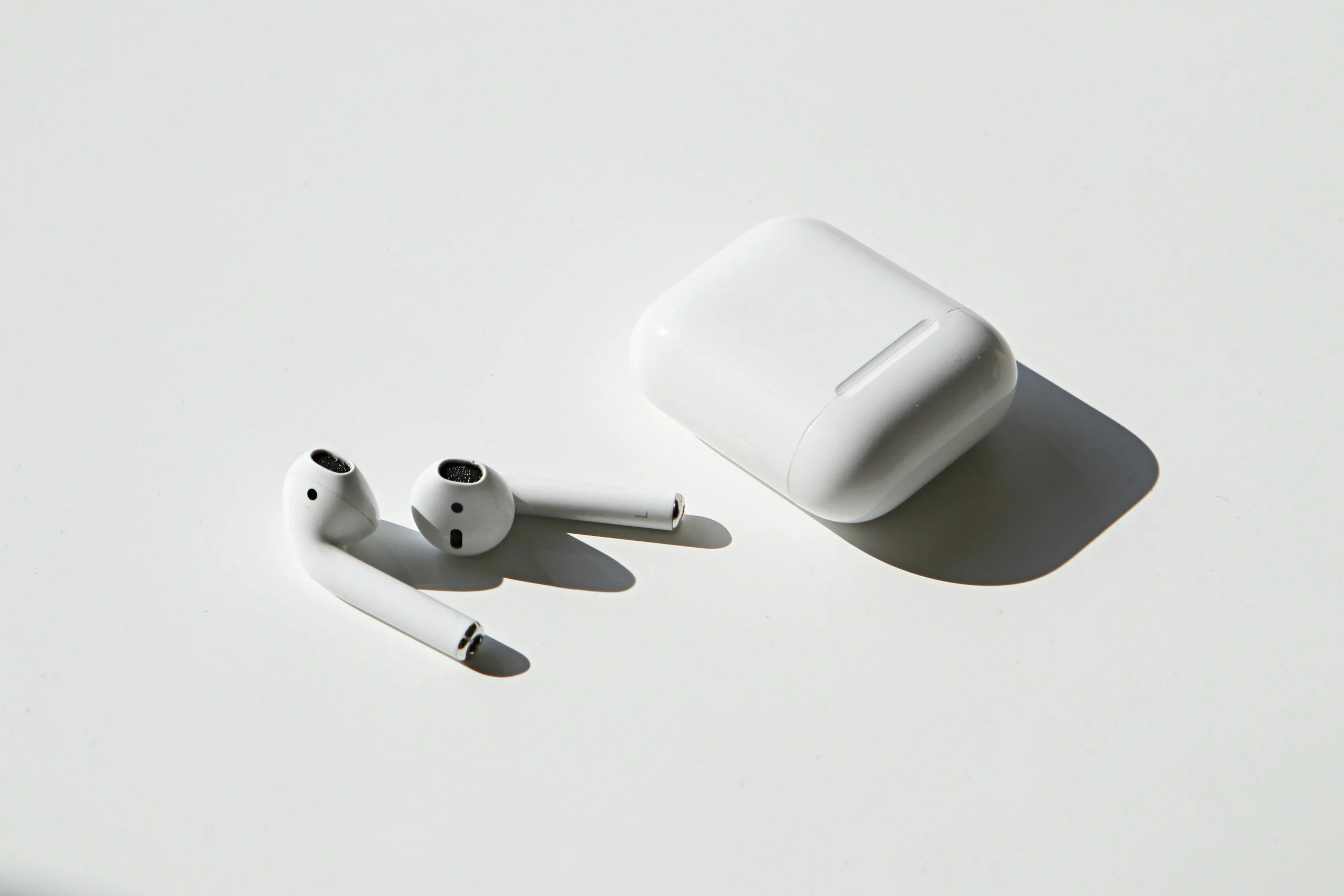
Hearing aids can help people who struggle to process sounds, especially if their symptoms get worse in busy or overwhelming environments. Smartphones can also help with this—many have apps that use earbuds and the phone’s microphone to make it easier to hear.
Speech-to-text apps and closed captioning tools are useful when you’re find it harder to follow conversations or find the right words.
Hearing Aids & Communication Support
Mobility aids: Strategic empowerment.
Mobility needs fluctuate - You may only need support during flares but walk freely during good periods.
Common supports include forearm crutches, canes, and rollators to offload joints and reduce energy expenditure. Wheelchairs or mobility scooters for patients with severe POTS, PEM, or joint instability.