

Overview: Symptoms & Treatments
Different subgroups of Long Covid patients need different treatments
To understand which subgroup a patient is in we need to look at the drivers of the disease.

Ten drivers of the disease
Below is an overview of the most well-established drivers of Long Covid and current treatments. A patient’s condition may be driven by one or more of these drivers, many of which are interconnected.

What is ‘better’?
We don’t have a cure yet, but for many, there are treatments available now that can make a dramatic improvement to their lives. For example, for some patients lowering inflammation can mean being able to work, socialise, and travel again.

Always consult a doctor
This is a complex condition. The wrong treatments, therapies, and supplements can make you very sick.
We understand how desperate it can feel when the only treatments offered are exercise and therapy. But, our bodies are complex and we should always consult a medical professional before making any changes to our treatment plans.

The Ten Disease Drivers:
Symptoms &
Treatments
IMPORTANT: All the information below is for informational purposes only. It is not to be considered a substitute for professional medical advice, diagnosis, or treatment. Always consult a medical professional before making changes to your health care regime.
This site features excerpts from the CoRE Provider Manual.

1. Hormonal Imbalance: Males and females experience different features of the disease.
Female
Significantly higher symptom burden; wider variety of symptoms across multiple organs.
Common symptoms include:
Fatigue, headaches, confusion, memory loss, increased bloating, nausea, abdominal pain, hair loss, higher rates of asthma and gut issues.
Male
Lower symptom burden; significant impacts on mood and post-exertional-malaise.
Common symptoms include:
Sexual dysfunction, confusion and brain fog, lower testosterone levels, higher rates of cardiovascular conditions and respiratory issues.
Male & Female Immune Systems
Women: More exhausted t cells and more antibodies for latent herpesviruses, such as shingles or cold-sores.
Men: More “defender” white blood cells (Natural Killer cells), but fewer of the immune system’s “first responders” (monocytes) and “messenger” cells (dendritic cells).
Long Covid and the menstrual cycle actively influence each other
Long Covid can cause heavier or longer periods, and the hormonal shifts during your cycle can cause your Long Covid symptoms (like brain fog, fatigue, and pain) to flare up.
2. Mast Cell Activation
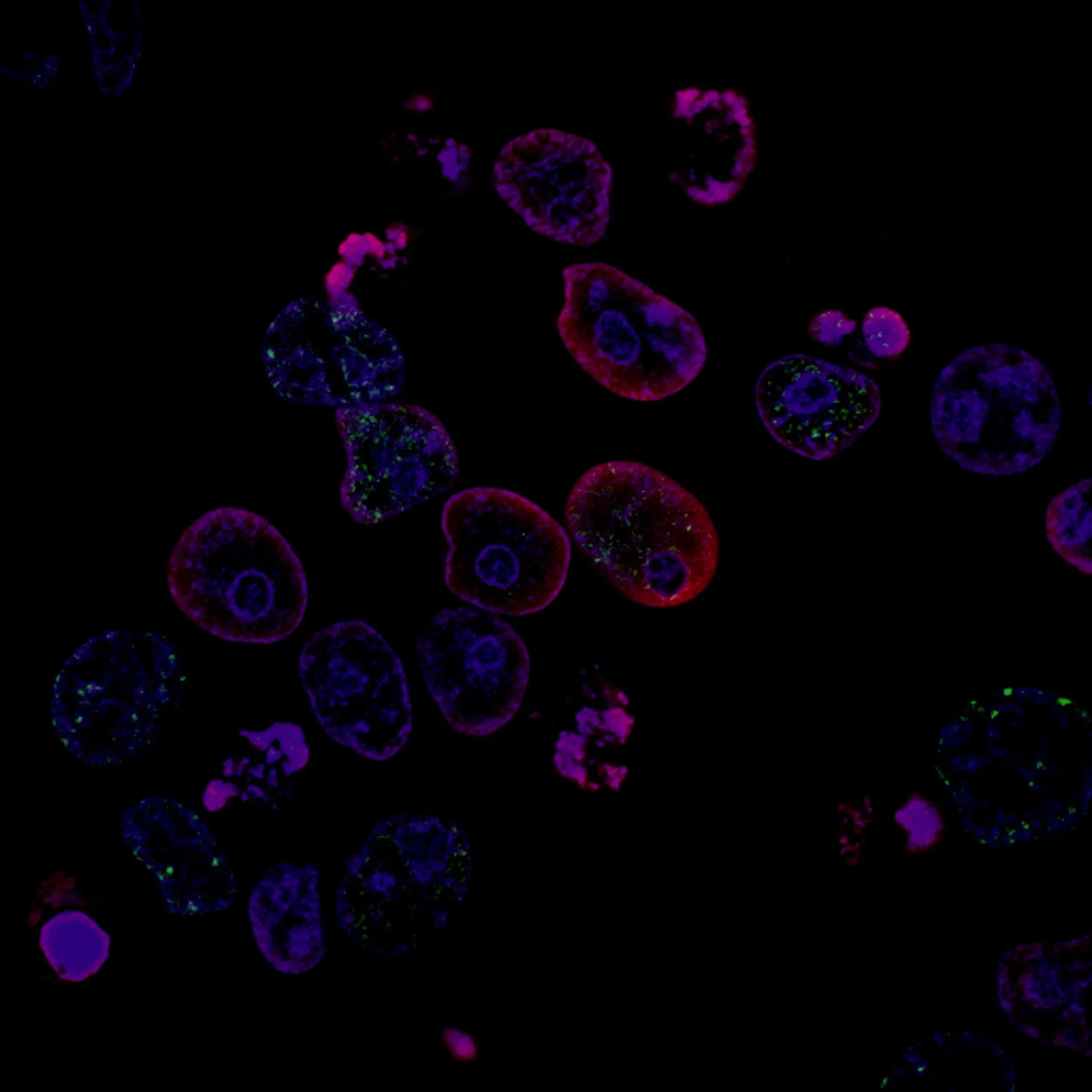
Mast cells are activated by infections or injuries. They release substances such as histamines to control an infection. If an infection gets worse or the immune response becomes too strong, mast cells can contribute to harmful inflammation.
Mast cells also work closely with the brain’s immune cells (microglia). When the brain’s immune cells are activated they become “primed” to react stronger to futures infections or injuries. This “primed” state can contribute to sustained inflammation.
Treatments/Advice your doctor may offer:
Avoid known or suspected triggers (e.g., sunlight, temperature changes, mould, hormonal shifts, specific foods, medications) balancing stability with quality of life.
Histamine receptor-1 blockers (e.g., cetirizine, loratadine, hydroxyzine) to address skin, respiratory, and neurological symptoms.
Histamine receptor-2 blockers (e.g., famotidine, ranitidine) to target stomach/gut & heart/circulation symptoms.
Mast cell stabilising agents such as Cromolyn sodium or ketotifen to reduce flare frequency over time.
Your doctor may consider corticosteroids for severe or persistent cases.
Address and treat underlying infections that activate mast cells.
Signs of Mast Cell Activation
Brain & Behavioural Symptoms: Headache; anxiety or depression; pain; difficulty concentrating, poor memory or balance; ‘pins n needles’, or prickling, tingling sensations.
Eyes, Ears, Nose, & Throat: Watery running nose or sneezing fits; nasal obstruction, itchy nose, feeling unable to breathe through nose, fullness/pain in ears; watery, itchy eyes.
Lungs: Trouble breathing; shortness of breath; coughing episodes; wheezing episodes.
Gut/Stomach: Abdominal pain or discomfort; frequent bowel movements or episodes of constipation; bloating or abdominal distress after eating; needing to rush to the bathroom because of a sudden urgent bowel movement.
Urinary/Reproductive System: Pain in bladder or pelvis including vagina, lower abdomen, urethra or perineum; pain or urge to urinate; need to get out of bed frequently to urinate.
Urinary/Reproductive problems in women: Pain during or after intercourse; recurrent bouts of vaginitis; heavy/spontaneous vaginal bleedings.
Skin: Hives; swelling of the tongue; persistent itch without rash; flushing (redness, heat sensation of the skin).
Heart/ Circulation system: Heart palpitations or extra heartbeats; episodes of low blood pressure; episodes of lightheadedness or near fainting.
Musculo-skeletal system and joints: Frequent joint pain or swelling; frequent muscle cramps; muscle weakness.
Anaphylaxis: If you have been treated for anaphylaxis or been prescribed an EpiPen.
IMPORTANT: Medication should only be taken in accordance with the advice of a medical professional.
3. Dysautonomia & POTS
Our autonomic system is our body’s autopilot. It controls functions like heart rate, digestion, breathing, and temperature.
The brainstem plays a central role in this system, with the vagus nerve acting as the mind-body “superhighway”, running from our brain to all our major organs.
When the vagus nerve detects inflammation in any of our organs, it triggers a “sickness behaviour” response in the brainstem, leading to symptoms like fatigue, POTS, and pain.
POTS
Postural Orthostatic Tachycardia Syndrome (POTS) occurs when the autonomic nervous system is unable to appropriately regulate blood pressure, heart rate, and oxygen delivery.
It is worse when we are standing or sitting for long periods, or when moving from lying down to siting up, or from sitting to standing - basically, when our heart and circulatory system have to work against gravity.
Symptoms
Dizziness, heart palpitations, headaches, pain, sleep problems, flu-like symptoms, difficulty concentrating, cognitive impairment, nausea, constipation and/or diarrhoea.
Diagnosis
To diagnose, your doctor may perform a simple active stand test, which checks how your body responds when you move from lying down to standing. If more detailed testing is needed, it may include a tilt table test or assessments of how well your sweat glands function and how effectively your vagus nerve regulates your heart rate.
Treatments
Wearing compression clothing and using fluid support can help manage the symptoms. Also, autonomic rehabilitation and breathwork from a trained physical therapist can also help stabilise the condition. Click here of to find out more
A POTS diagnosis tends to fit one of three categories:
Hyperadrenergic: Driven by an overactive ‘fight or flight’ response. Symptoms can include tremors, palpitations, excessive sweating, and anxiety when standing. The longer you stand, the higher your blood pressure climbs. Your doctor may prescribe ivabradine or beta blockers such as propranolol or bisoprolol to manage the elevated heart rate.
Neuropathic: Caused by damage to the small nerve fibres that control blood vessel constriction. This leads to blood pooling in the legs, cold or discoloured feet, reduced sweating in the lower body, and may include increased heart rate when standing. For this, doctors might prescribe midodrine and pyridostigmine. If those medication do not work, immunoglobulin may be considered.
Hypovolemic: Caused by reduced blood volume with symptoms including fatigue, dizziness, or lightheadedness when standing. Doctors may prescribe fludrocortisone as a fluid expander for these patients.
4. Neuroinflammation & Cognitive Dysfunction
A brain imaging study found that individuals with Long Covid had increased neuroinflammation in areas of their brain exposed to inflammatory blood proteins via gaps in the “blood-brain barrier.”
These inflammatory proteins may be the result of Long Covid induced vascular dysfunction.
Treatments
Some patients will experience significant cognitive improvements in response to antihistamines prescribed to address the mast cell drivers of the disease. Others benefit from maintaining adequate hydration.
Unrefreshing sleep is a symptom of Long Covid. Patients have difficulty entering the deepest, most restorative stage of sleep and subsequently experience cognitive impairment. If confirmed by sleep studies, this can be potentially well-managed with sleep medications.
If needed, doctors may also refer patients to neuropsychology to provide therapies to help with cognitive dysfunction such as significant difficulty with speech or word finding.
PANS
PANS is a neuropsychiatric syndrome that can affect people with Long Covid of all ages, but is more common in children and young people.
Symptoms may include physical or vocal tics, extreme anxiety or irritability, altered vocal tones or “baby talk,” sleep disturbances, or the sudden onset of OCD.
Treatments: Your doctor may consider treatments such as anti-inflammatory medications like ibuprofen, or, in more severe cases, immunotherapies such as immunoglobulin.
NB: Ibuprofen should only be given to children in accordance with a doctor’s advice.
Future Directions
The CoRE are currently trialing Microtesla Magnetic Therapy (MMT) using a small wearable device that emits ultra-low, time-varying electromagnetic fields to suppress neuroinflammation and reduce oxidative stress in the brain.
5. Immune Activation, Dysfunction, & Autoimmunity
T-Cell Exhaustion
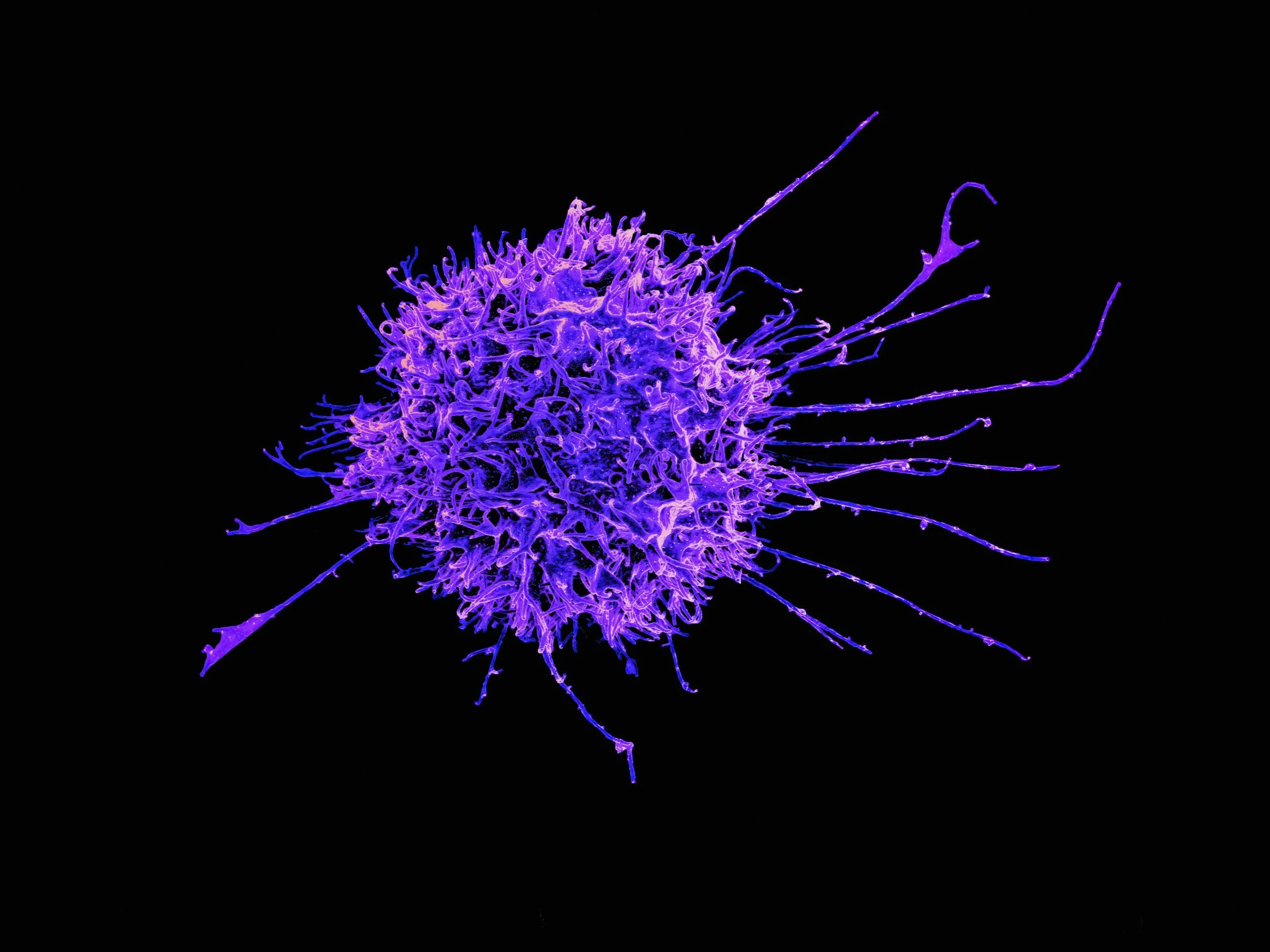
T cells are specialised white blood cells that hunt down viruses, bacteria, and abnormal cells, and help coordinate other parts of our immune response. A persistent infection can exhaust T cells. Research has shown this is the case with a subgroup of patients with Long Covid.
Autoimmunity
Our immune defence relies on special proteins called antibodies to identify and destroy viruses, bacteria, etc. Occasionally, our immune system misfires and creates autoantibodies that target our organs and other healthy cells.
Researchers have found a subgroup of Long Covid patients have high levels of certain autoantibodies. One study found Long Covid patients with neurological issues had higher levels of autoantibodies targeting proteins in the nervous system.
Mice Study: Neurological Symptoms
When the antibodies of patients with neurological issues were transferred into mice, the animals showed increased pain sensitivity and symptoms similar to the patients’, such as balance problems and dizziness.
The results suggest that treating autoantibodies may help a subgroup of people with Long Covid.
Treatment
If your doctor suspects immune dysregulation they may carry out blood tests and look for features such as low albumin, elevated inflammatory cytokines such as IL-6, and an elevated neutrophil-to-lymphocyte ratio. If you have this profile, your doctor may prescribe immunoglobulin.
Another medication with anti-inflammatory and immune regulation properties is low-dose-naltrexone(LDN). One study found this improved the symptoms fatigue, post-exertions-malaise, and unrefreshing sleep symptoms.
In more complex cases of immune dysregulation or evidence of autoimmunity, your doctor may refers you to a rheumatologist.
Future Directions
Researchers are exploring low-dose rapamycin as an immune modulator for the subgroup of Long Covid patients with immune dysregulation.
6. Coagulation & Vascular Dysfunction
Long Covid is strongly tied to clotting and blood vessel issues.
Multiple research teams have found that a subgroup of patients develop “microclots”that don’t dissolve in the normal way. Also, the virus’s spike protein has been found to cause abnormal inflammatory-inducing clots.
Many people with Long Covid experience problems with the endothelium- this is the thin, single layer of cells that lines the inside of all blood vessels, the heart, and the lymphatic system. When this lining does not function properly, it can affect how oxygen is delivered to cells and how organs work.
Diagnoses
As Long Covid patient have been identified as being at higher risk of thrombotic events your doctor may carry out the standard blood tests and will refer you to a cardiologist if needed.
Microclots may not be picked up by the standard tests, so your doctor may test for endothelial dysfunction as a proxy for micro-thromboticissues and platelet hyperactivation. Some clinics use an EndoPAT to measure endothelial function.
Treatments
While evidence for treating endothelial dysfunction remains limited, some options are available. Your doctor may recommend the supplements lycopene, pycnogenol, vitamin C, or resveratrol. If your doctor suspect microclots or platelet hyperactivation they may also recommend trialing proteolytic enzymes such as nattokinase or lumbrokinase.
Similarly, your doctor may prescribe Aspirin as a safe and low-cost anti-platelet therapy when endothelial dysfunction is identified, as well as berberine, which has been shown to inhibit platelet activation and help dissolve blood clots.
7. Mitochondrial Dysfunction
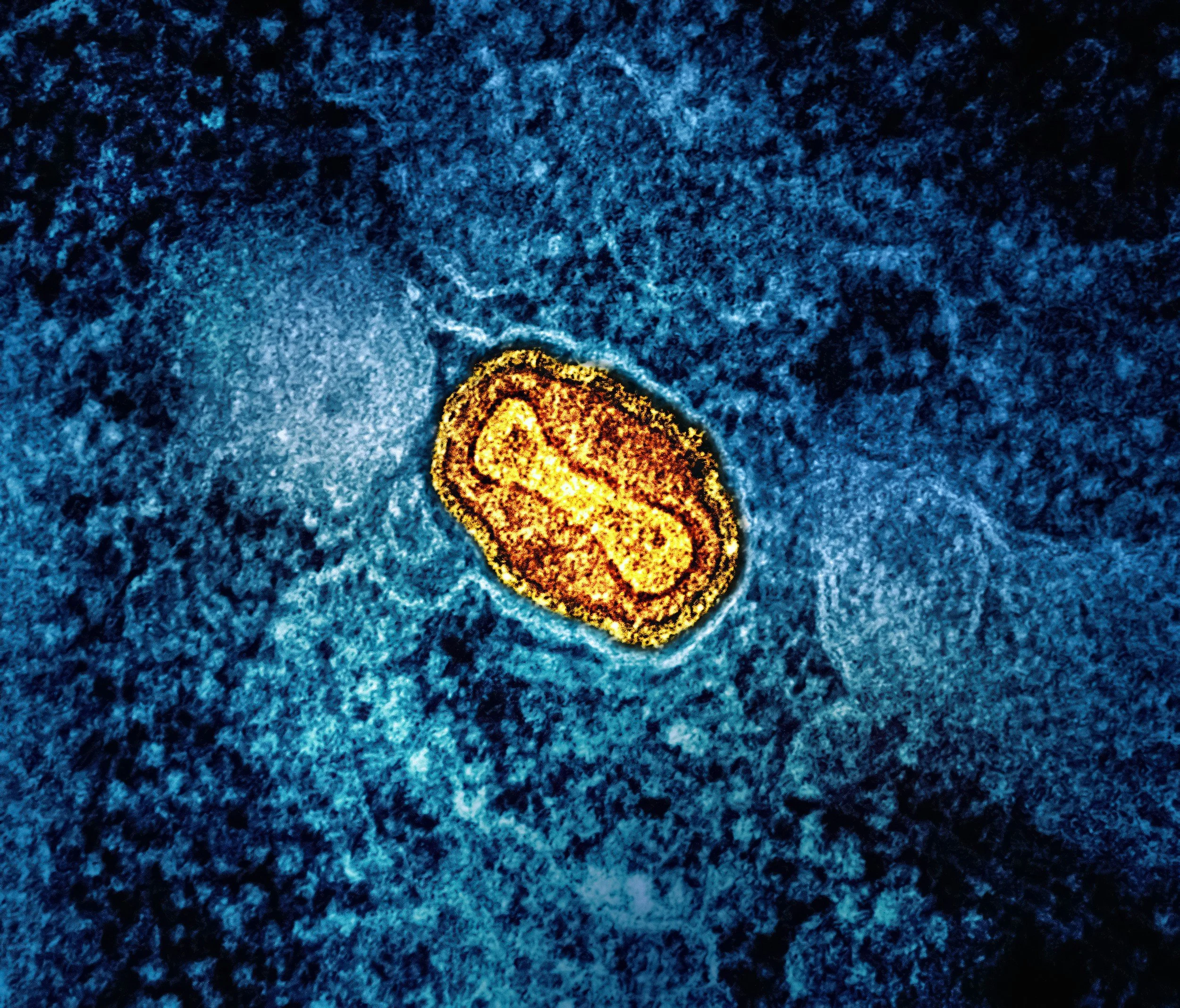
Mitochondria are the powerhouses of the cell and are responsible for producing energy by spinning tiny molecular turbines to manufacture energy packets called ATP. When mitochondria are not functioning well, energy production drops, harmful molecules proliferate, and inflammation can begin.
Some viruses hijack our mitochondria to produce energy for themselves. Several studies have found mitochondrial dysfunction in people suffering from Long Covid, including abnormalities with how cells produce and use energy, as well as changes in the mitochondria’s own DNA.
Diagnoses
Mitochondrial dysfunction can be extremely difficult to measure and the symptoms - fatigue & post-exertional-malaise - can be caused by other disease drivers such as dysautonomia or reactivated pathogens. Some clinics use resting metabolic rate (RMR) as a proxy to measure overall mitochondrial function and narrow down which patients may benefit from treatment for this driver.
Treatments
The treatments include nutritional supplements such as CoQ10, oxaloacetate, and creatineare commonly used to mitigate an imbalance between free-radical and antioxidants, supporting mitochondrial function and allowing users to be more resilient to exertion. Amino acids and their derivatives such as arginine, citrulline, and carnitine are used to enhance nitric oxide production and facilitate fatty acid transport into the mitochondria, making mitochondria more efficient at producing energy.
Supplements can interact with other medications and other conditions such as mast cell activation. It is essential they are taken under medical supervision.
8. Microbiome Imbalance & SIBO
Our bodies host trillions of bacteria, fungi, and other organisms most of which live in our gut. This is our microbiome and is vital for our survival, producing many of our proteins and energy molecules.
When it’s in balance, it is a crucial part of our immune system. When it’s out of balance, it can have a negative impact on our immune, metabolic, and hormonal signalling.
Microbiome imbalance is often accompanied by inflammation. This can lead to a breakdown in the oral or gut barrier and allow pathogens to leak into the blood where they cause a range of inflammatory processes.
Diagnoses & Treatments
Common symptoms of SIBO include excess gas and painful bloating, diarrhoea or constipation, acid reflux, low B12 levels, unintentional weight changes, and brain fog. Doctors normally refer these patients to a Gastroenterologist who diagnose using a breath test. Treatment may be a single round of antibiotics. These have a 50% success rate so lifestyle management advice may be needed.
The composition of the gut microbiome differs greatly from person to person based on factors such as the region you’re from, your diet, and time of day. It is more effective to measure the proteins produced by the microbiome than measuring the microbiome.
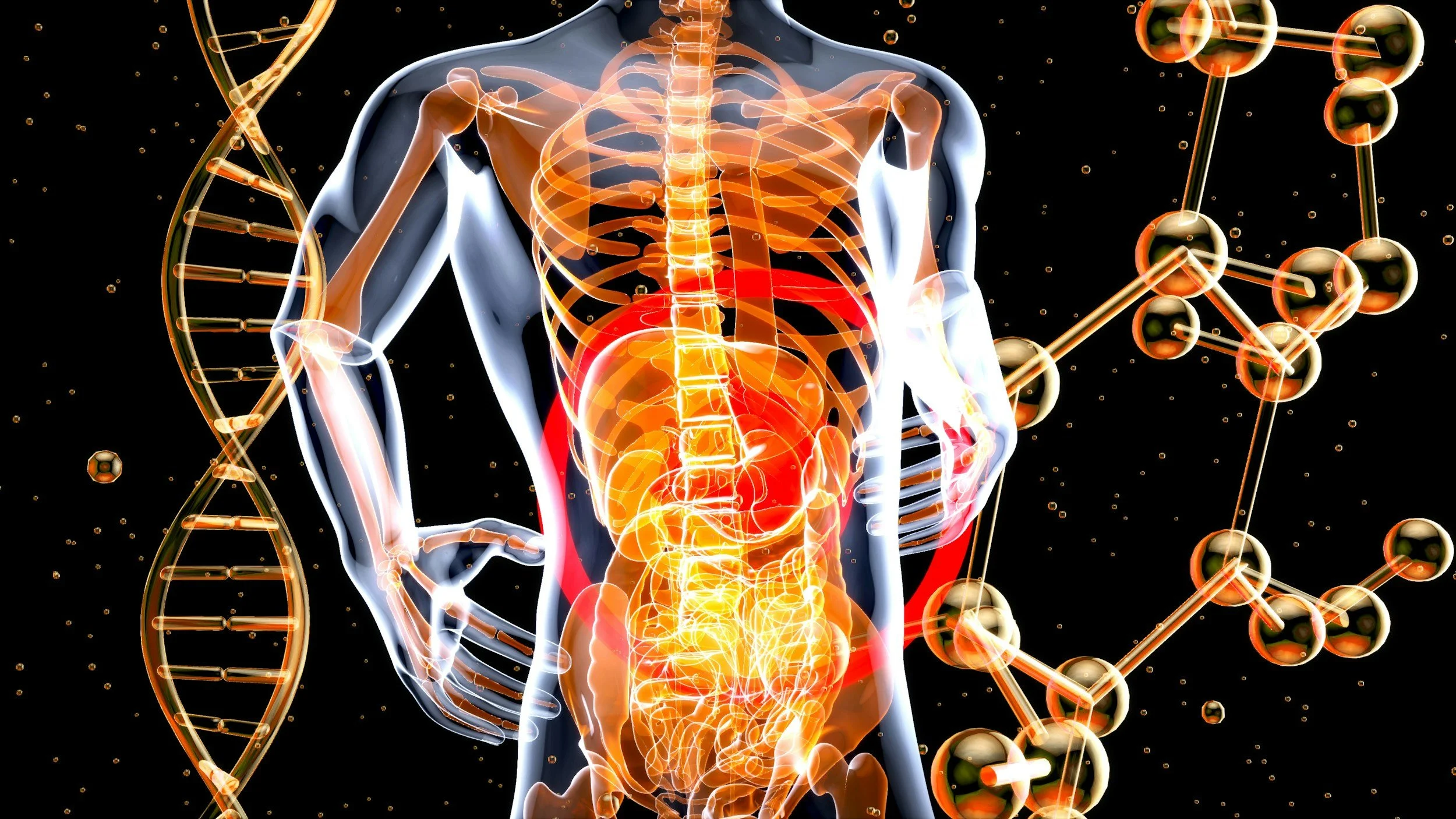
SIBO, or small intestinal bacterial overgrowth, occurs when the overall bacterial population in the small intestine becomes abnormally overgrown. Causes of SIBO can include infections, dysautonomia, and the frequent use of pain relievers such as ibuprofen or aspirin, among other factors.
Future Directions
Research is underway to understand if certain forms of probiotics might improve Long Covid symptoms. Some clinics are prescribing VNELLA, which contains the bacterial strain Veillonella atypica, to some of their patient in New York. A recent study in the Lancet shows impressive results for the AI-designed synbiotic SIM01.
There is also a clinical trial of Larazotide in Long Covid underway. Larazotide has been shown in some studies to improve gut barrier permeability.
9. Pathogen Reactivation
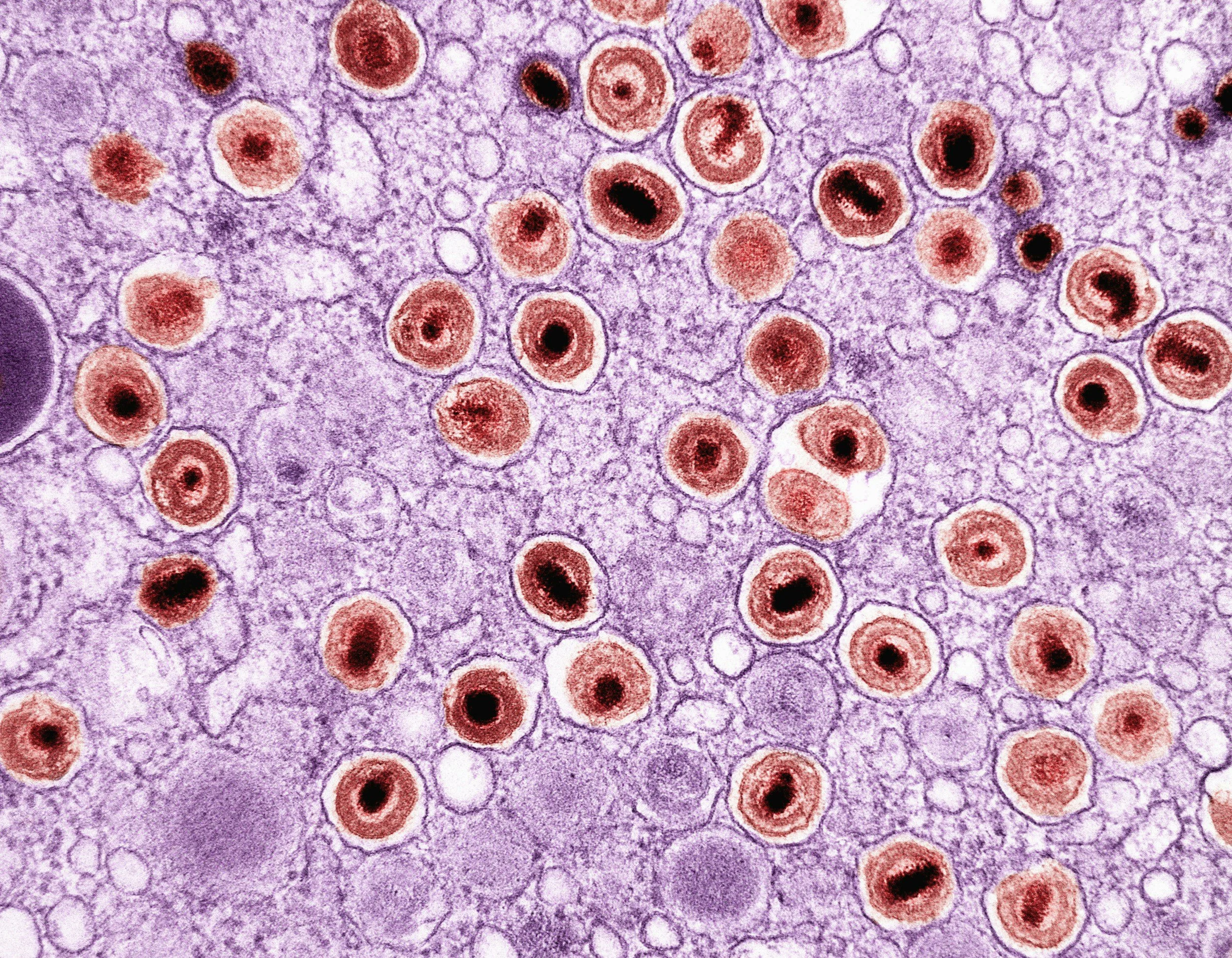
Virtually all humans accumulate persistent viruses and other pathogens during their life. The most common are the Epstein-Barr and the other main herpes viruses, the parasite Toxoplasmosis, and bacteria such as Salmonella and TB. A healthy immune system is able to keep these pathogens dormant.
A Covid infection can produce proteins that disable our immune response and allow these pathogens to reactivate.
Diagnosis & Treatment
These persistent viruses, bacteria, and parasites can be hard to detect as they may hide in tissue or our nervous system. Also for some Long Covid patients, antibody production may be inhibited. If your doctor is able to identify the illness they will begin the relevant treatment protocol, such for Shingles (herpesvirus 3), a course of anti-virals is prescribed.
10. Viral Persistence
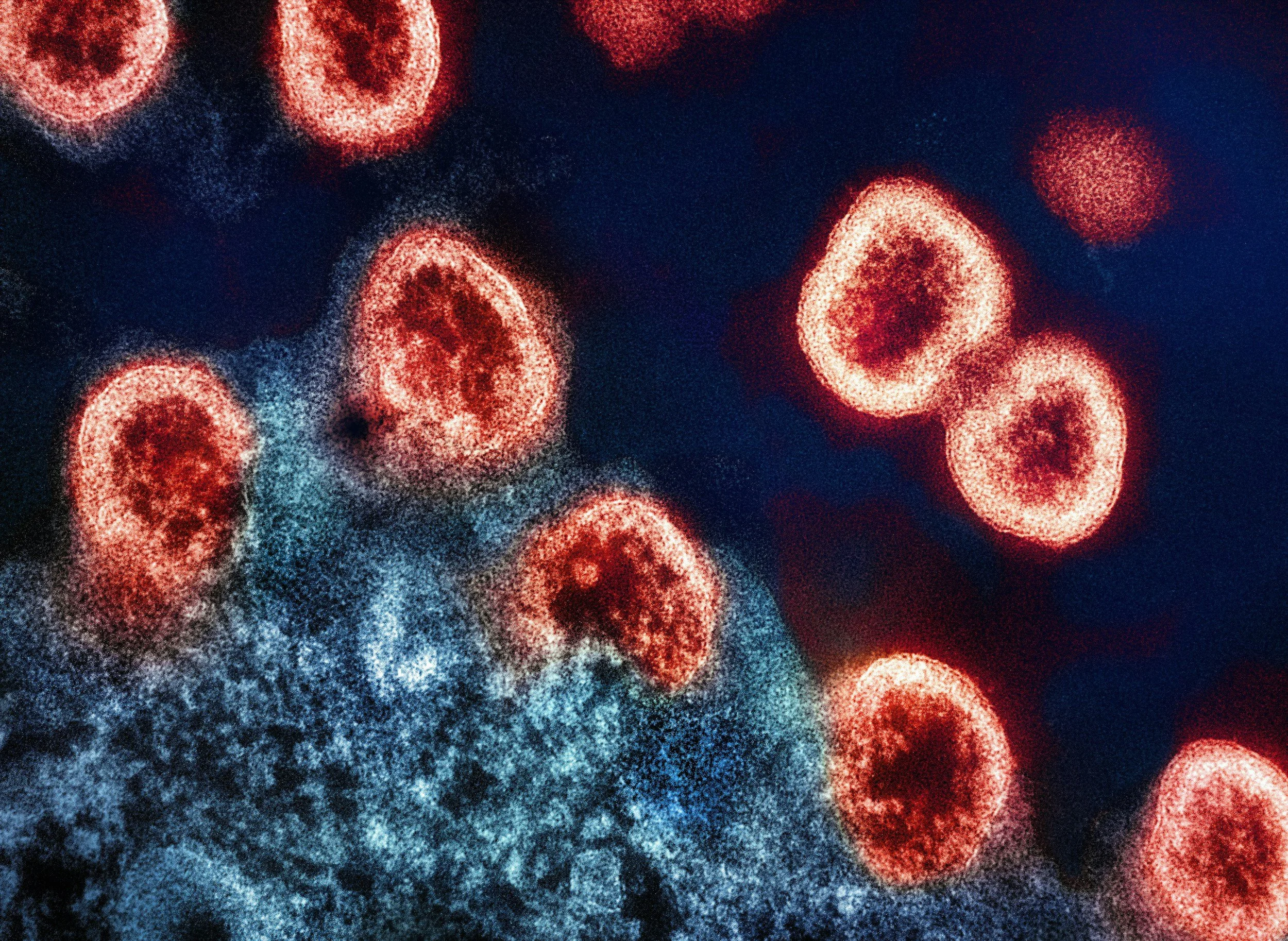
Research has found evidence of viral reservoirs in at least a subgroup of people with Long Covid.
These reservoirs are not usually detected in standard blood tests as they can persist in tissues such as the gut, heart, and brain.
Future Direction
Diagnosis
Many studies are advancing diagnostic methods; for example, the PolyBio VIPER programme which is helping different teams work together to speed up the creation of an effective diagnostic test.
Multiple teams are researching treatments to target these reservoirs such as the Harvard study on Larazotide, and studies on anti-virals- such as repurposed HIV medications - and monoclonal antibodies.
In short, this rapidly growing field has many promising drug protocols yet to be adequately trialed, underscoring the need for large-scale trials with highly selective inclusion criteria.