Autonomic Rehabilitation

What is Autonomic Rehabilitation
Symptoms such as dizziness, lightheadedness, rapid heart-rate, blood pooling, shortness of breath, and exercise intolerance are not simply deconditioning. They reflect impaired autonomic control of vascular tone, cardiac output, and respiratory regulation.
Autonomic rehabilitation aims to restore tolerance to upright posture through a gradual, symptom-responsive approach. The cornerstone of this process is slow, exposure to upright posture, guided by body awareness, breath regulation, and progressive tolerance, not by performance metrics or fixed timelines.
More Individualised Exercise Model
A more individualised model is now being embraced—upright titration through small, progressive shifts in posture and exertion, driven by symptom tolerance, not vitals alone.
Key Principles
Begin fully supine (meet their patient in the position that they can tolerate) and only progress when tolerated.
Gradually move from supine > semi-reclined > recumbent seating > upright seated > standing > walking > upright aerobic activity.
Prioritise low-resistance, low-load exercises in early stages.
Symptom severity and recovery windows dictate when progression is safe.
Symptom Monitoring
Use Modified Borg Rating of Perceived Exertion (RPE) scale.
Track post-session PEM, orthostatic symptoms, and cognitive fatigue.
Watch for delayed crashes, not just in-session tolerability.
This titration process may take several months, depending on baseline severity, comorbidities, and recovery rate.
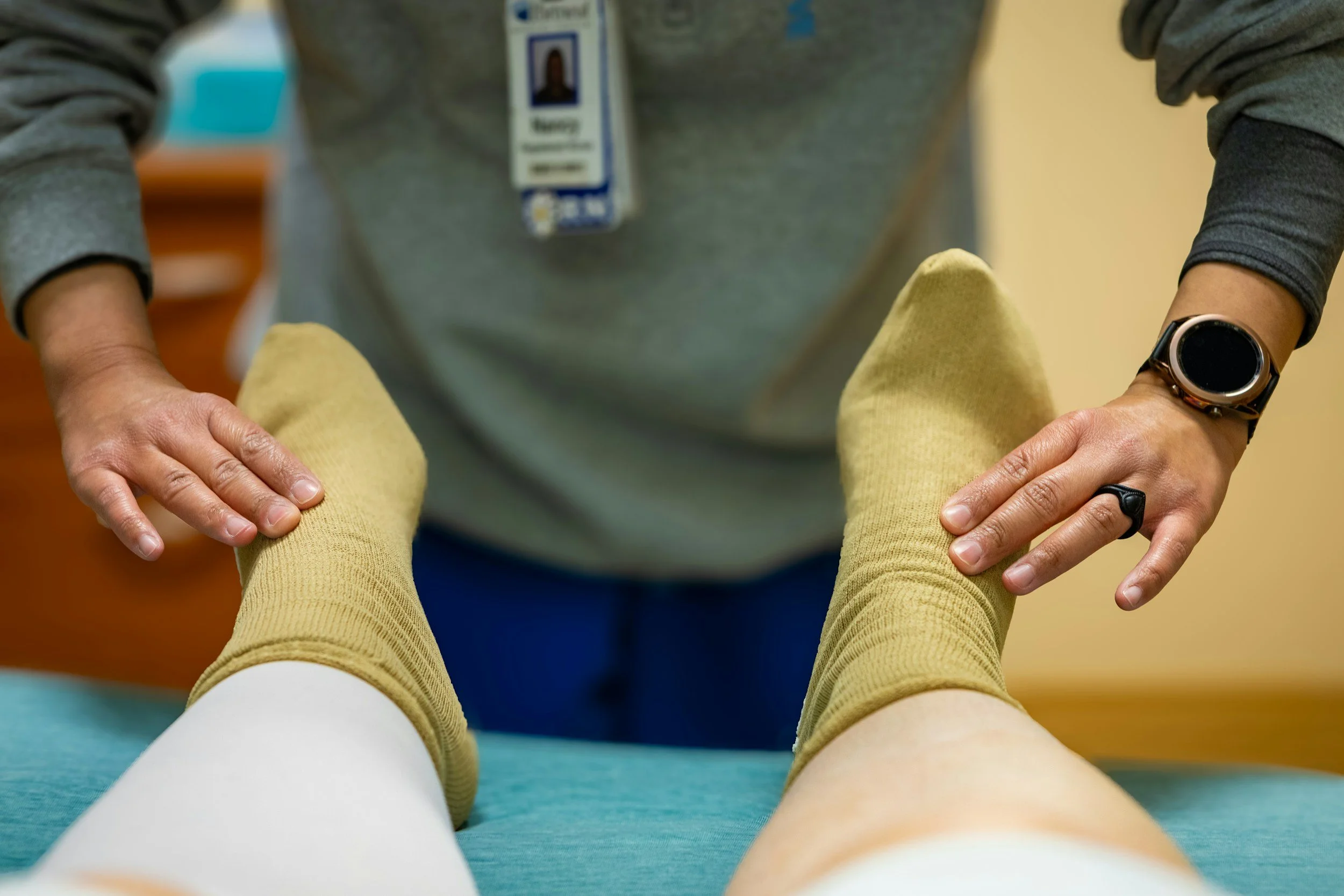
Compression & Fluid Loading
Use waist-high compression garments or those that are best suited for the patient and high sodium/fluid intake when appropriate to improve preload and blood pressure regulation.
Neuromuscular Training
This is training that bridges the gap between your brain and muscles, teaching them to work together efficiently. Once upright tolerance improves, patients may begin low-load stability exercises such as single-leg stands.
Energy Conservation & Pacing
Even during rehab, patients must pace within their energy envelope, integrate frequent rest, and avoid cumulative cognitive or physical overload.

Post-Exercise-Malaise
Patients may feel well during or immediately after activity, only to experience a crash hours or days later-manifesting as overwhelming fatigue, pain, dizziness, or cognitive fog. This delayed feedback loop makes pacing and post-activity monitoring essential.
PEM is not a setback - it is a physiological signal. When it occurs, the protocol should be adjusted by:
Reducing duration, intensity, or upright angle
Increasing rest time
Reintroducing activity only once the body has stabilise
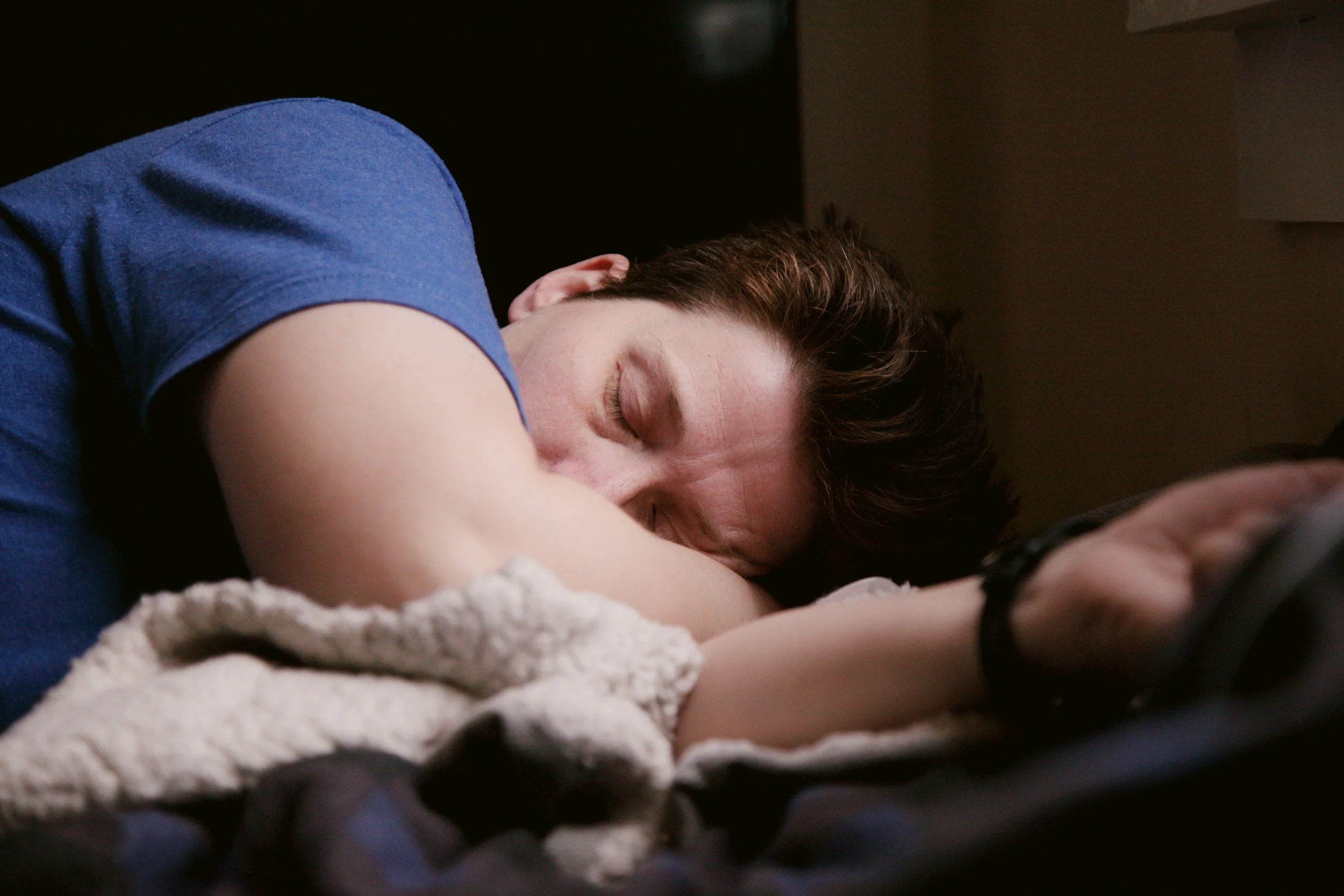
Any Movement is Progress
For some patients, what appears to be “exercise” may feel inaccessible or even intimidating. For those who are bedbound or severely deconditioned, a breath, a stretch, or a single assisted heel slide is progress.
Autonomic rehabilitation is not about pushing through—it’s about building capacity one supported position at a time.